
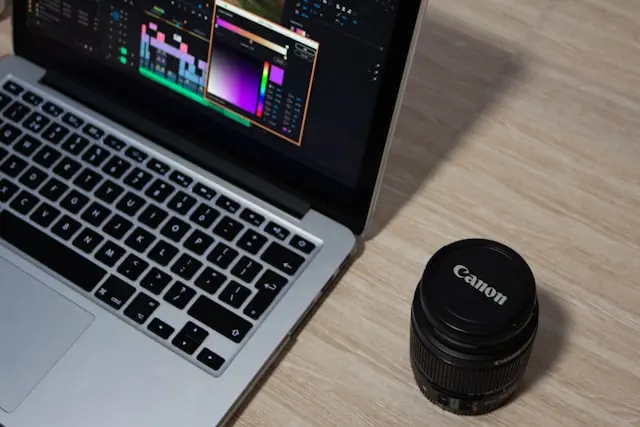
Top Video Editing Software for Beginners
Video editing has become more accessible than ever. Whether you’re creating YouTube videos, recording gameplay, making tutorials, or editing family memories, beginner-friendly video editing software makes it possible to produce polished content without professional training.
For many new creators, the biggest challenge isn’t creativity—it’s choosing the right tools and learning how to use them effectively. The good news is that modern editing programs often include drag-and-drop timelines, built-in templates, and automated tools that simplify the entire process.
In this guide, we’ll look at what features beginners should prioritize, explore some of the best free and affordable video editing software options, and share practical tips to help you start editing your first videos with confidence.
What to Look for in Beginner-Friendly Video Editing Software
Before choosing video editing software, it’s important to understand the features that make a program beginner-friendly. Not all editors are created equal, and some are designed specifically for experienced professionals.
One of the most important features is ease of use. Beginners benefit from software with a clear interface, simple timelines, and drag-and-drop editing. Programs with visual previews and guided editing tools can significantly reduce the learning curve.
Another important factor is built-in templates and effects. Many beginner tools include transitions, text overlays, and visual effects that can be applied with a single click. These templates allow new editors to create professional-looking videos without needing advanced design skills.
Performance and compatibility also matter. Some advanced video editing programs require powerful computers with strong CPUs and GPUs. If you’re working with a typical home PC or laptop, it’s best to choose software optimized for everyday hardware such as programs that consider your computer’s processor.
You should also consider export options and supported formats. Beginners often want to export videos for platforms like YouTube, Instagram, or TikTok. Software that includes presets for these platforms can simplify the process.
Finally, learning resources are incredibly valuable. Programs with tutorials, documentation, and large online communities make it easier to learn and troubleshoot problems. Some editors even include guided workflows that teach you editing techniques step-by-step.
Choosing the right software at the beginning can make learning video editing far more enjoyable.
Top Free Video Editing Software Options
If you’re just starting out, free software is often the best way to learn the basics without committing to a paid subscription.
One of the most popular free options is DaVinci Resolve. It’s widely recognized for its powerful editing tools, professional color grading capabilities, and advanced effects. Despite being free, it includes many features used in professional film production. However, it can have a steeper learning curve than some beginner-focused editors.
Another solid free choice is OpenShot. This open-source editor is designed with simplicity in mind. It includes basic editing tools such as trimming clips, adding transitions, and layering audio and video tracks. Its straightforward interface makes it approachable for beginners who want to learn the fundamentals.
Shotcut is another open-source editor that offers a customizable interface and support for many video formats. It’s slightly more advanced than OpenShot but still manageable for beginners who want room to grow.
If you prefer browser-based editing, Clipchamp is a great option. It runs directly in your web browser and offers drag-and-drop editing along with social media templates and cloud storage. Its simple design makes it ideal for quick edits and short-form content creation.
Mac users also have access to iMovie, a free editing tool included with macOS. It provides an intuitive timeline, cinematic templates, and simple effects that allow beginners to create polished videos quickly.
Free tools may lack some advanced features found in professional software, but they provide everything you need to learn the basics of video editing.
Affordable Paid Software for Beginners
Once you’re comfortable with the basics, you may want to explore paid video editing software that offers additional tools and features.
One popular beginner-friendly option is Wondershare Filmora. It’s known for its simple drag-and-drop interface, built-in effects library, and AI-powered editing tools that help automate tasks like scene detection and background removal.
Filmora is especially popular among YouTubers and content creators because it balances ease of use with powerful editing features.
Another great option is Adobe Premiere Elements. Unlike the professional version of Adobe Premiere Pro, Premiere Elements focuses on beginners. It includes guided editing modes that walk you through common tasks like trimming clips, adding titles, and adjusting colors.
Camtasia is another beginner-friendly editing program, particularly useful for tutorial creators. It combines screen recording and video editing tools in one application, making it ideal for creating software demonstrations, educational videos, and presentations.
Some other affordable tools worth considering include:
- CyberLink PowerDirector
- Pinnacle Studio
- HitFilm Express (free with optional paid features)
Paid software often includes additional benefits such as larger libraries of effects, faster rendering speeds, and advanced editing tools.
Tips for Getting Started with Video Editing
Starting your first editing project can feel overwhelming, but following a few simple steps can make the process much easier.
First, organize your footage before editing. Create folders for video clips, audio files, and graphics. Staying organized will save time later and help keep your projects manageable.
Next, start with simple edits. Focus on trimming clips, arranging them on a timeline, and adding basic transitions. Many beginners try to use too many effects early on, which can make videos feel cluttered.
Another helpful tip is to pay attention to audio quality. Good sound can dramatically improve a video’s overall quality. Even simple background music or voice narration can enhance the viewing experience. If you encounter problems, check out this guide on solving audio problems on your PC.
You should also learn keyboard shortcuts for your editing software. These shortcuts speed up tasks like cutting clips, undoing actions, and moving around the timeline.
Finally, practice regularly. Video editing is a skill that improves with experience. The more projects you complete, the more comfortable you’ll become with your tools and workflow.
Watching tutorials and analyzing how other creators edit their videos can also provide valuable inspiration.
Conclusion
Video editing is an incredibly useful skill in today’s digital world. Whether you’re creating content for social media, producing tutorials, or capturing personal memories, the right video editing software can make the process enjoyable and efficient.
For beginners, it’s important to choose tools that balance ease of use with useful features. Free software like DaVinci Resolve, OpenShot, and Clipchamp offers excellent starting points, while affordable options like Filmora and Premiere Elements provide more advanced capabilities as your skills grow.
Remember that video editing is a creative process. You don’t need expensive tools or professional experience to create engaging content—just a willingness to learn and experiment.
If you’re new to video editing, start small, explore different tools, and build your skills over time.
What video editing software do you use or recommend for beginners?
Feel free to share your experiences, tips, or questions in the comments. Your insights might help other readers get started on their video editing journey!