A Comparison of Popular Graphic Design Software: What You Need to Know
Introduction
Whether you’re designing a logo for your small business, creating eye-catching social media posts, or just having fun bringing creative ideas to life, graphic design software is a powerful tool. But with so many options out there—from industry standards to free alternatives—it’s easy to feel overwhelmed. Which one should you choose? What’s worth paying for? And what’s going to make the process easier rather than more frustrating?
In this guide, we’ll take a friendly, practical look at the most popular graphic design software available today. We’ll break down what each tool offers, how they compare in terms of features and performance, and who they’re best suited for. By the end, you’ll have a clearer idea of which software matches your goals and workflow.
Let’s dive into the world of pixels, vectors, layers, and creativity!
Overview of Leading Graphic Design Software
There’s no shortage of graphic design tools out there, but a few names stand out thanks to their popularity, capabilities, and user communities.
1. Adobe Photoshop
Long considered the industry standard for raster graphics—meaning pixel-based images—Photoshop is incredibly powerful. It’s widely used for photo editing, digital painting, web graphics, and more.
Pros:
- Deep editing tools
- A huge library of plugins and tutorials
- Cross-compatibility with other Adobe apps
Cons:
- Can be overwhelming for beginners
- Subscription-based pricing
2. Adobe Illustrator
Illustrator is the go-to for vector graphics—shapes and lines that can be scaled forever without losing quality. Logos, icons, typography layouts—Illustrator does it all.
Pros:
- Precision vector tools
- Great for scalable designs
- Industry-standard for print and branding
Cons:
- Subscription-based
- Slightly steeper learning curve
3. Affinity Designer
A newer challenger to Adobe’s dominance, Affinity Designer has become a favorite for many users thanks to its one-time purchase model and professional-grade tools.
Pros:
- Strong vector and raster tools
- One-time purchase, no subscription
- Friendly interface
Cons:
- Some advanced features are missing vs Adobe
- Smaller tutorial/library ecosystem
4. Canva
For users who want simplicity and speed, Canva has exploded in popularity. It’s web-based, beginner-friendly, and great for social media graphics, posters, and presentations.
Pros:
- Extremely easy to use
- Many templates and assets
- Free tier available
Cons:
- Limited advanced editing tools
- Not ideal for professional illustration
5. GIMP
GIMP (GNU Image Manipulation Program) is a free, open-source alternative to Photoshop. It’s powerful, but the interface can feel less polished.
Pros:
- Free and open-source
- Strong feature set for photo editing
- Extendable with plugins
Cons:
- UI isn’t as intuitive
- Less seamless compatibility with industry file formats
Each of these tools serves different needs and skill levels, which brings us to features and capabilities.
Features and Capabilities Breakdown
Let’s compare the core strengths and common use cases for these tools.
Raster vs Vector Editing
- Photoshop and GIMP are raster-based, meaning they edit images made up of pixels (photos, textures, etc.).
- Illustrator and Affinity Designer excel at vectors—perfect for logos, icons, and graphics that must scale.
- Canva blends both but leans more toward templated layouts.
If you’re primarily working with photos or realistic artwork, a raster editor is key. If you’re designing graphics that need to scale (like logos), vector tools are essential.
Ease of Use
- Canva is the simplest by far—drag, drop, and customize.

- Affinity Designer strikes a great balance between power and accessibility.
- Photoshop and Illustrator offer unmatched depth but take time to learn.
- GIMP has great features but can feel less intuitive.
For beginners, starting with Canva or Affinity Designer reduces frustration and speeds up the learning curve.
Templates and Assets
Canva shines in this area with a massive library of templates, icons, fonts, and stock images. Adobe products have large asset libraries too, but they’re more focused on flexibility than ready-made design.
Photoshop and Illustrator users often combine royalty-free asset websites with their own creativity, while Canva users rely on built-in libraries more often.
Learning Resources
Adobe products have decades of tutorials, courses, and community support online. Affinity Designer has a growing library of tutorials, and Canva’s learning curve is often so gentle that many users don’t need formal training.
GIMP has a passionate community, but tutorials can vary widely in quality and clarity.
Performance, Compatibility, and Pricing
Choosing software isn’t just about features—it’s about how it fits into your workflow and budget.
Performance
- Photoshop and Illustrator are powerful but can be resource-intensive on older machines. They run best on modern systems with good RAM and GPU support.
- Affinity Designer is known for snappy performance even on mid-range machines.
- Canva is web-based, meaning performance depends on your internet connection and browser.
- GIMP is lightweight and runs comfortably on many systems, though advanced tasks can be slower.
Compatibility
Adobe’s format standards (like .PSD and .AI) are widely recognized across creative industries. If you need to work with professional printers, studios, or other designers, Adobe formats offer excellent compatibility.
Affinity Designer uses its own formats (.AFDESIGN) but can export clean files to other standards (SVG, PDF, EPS). Canva files export to common web-friendly formats like PNG, JPG, or PDF.
GIMP uses .XCF as its native format but supports many common file types as well.
Pricing
- Adobe Creative Cloud operates on a subscription model—monthly or annual—that can feel pricey for casual users.
- Affinity Designer is a one-time purchase, often making it a favorite for budget-conscious creators.
- Canva offers a generous free tier, with a paid tier unlocking premium assets and features.
- GIMP is completely free and open-source.
Keep in mind that some Adobe plans bundle Photoshop and Illustrator together, which can be cost-effective if you use both.
Best Choices for Different User Needs
Now let’s break this down based on common user scenarios.
Beginners and Casual Creators
If you’re designing social posts, simple layouts, or custom graphics on the side:
- Canva is the easiest entry point
- GIMP is a great free alternative for photo editing
Students and Small Business Owners
If you want more control and occasional vector work:
- Affinity Designer offers robust tools without a subscription
- Canva is still useful for quick assets and templates
Professional Graphic Designers
If you’re designing for print, branding, or advanced workflows: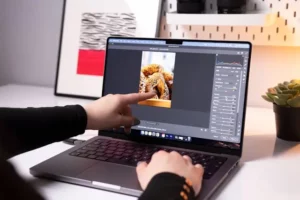
- Photoshop and Illustrator remain the industry standards
- Their deep toolsets and broad industry support make them hard to beat
Budget-Conscious Users
If cost is a major concern:
- GIMP and Canva Free give you powerful tools without spending a dime
- Affinity Designer offers professional quality at a one-time cost
Collaborative Teams
If you’re working with others or need easy sharing:
- Adobe Creative Cloud integrates well across teams
- Canva allows easy sharing and collaboration via links
Conclusion
Choosing the right graphic design software doesn’t have to feel scary or overwhelming. It starts with understanding what you need: are you editing photos, designing logos, creating social graphics, or preparing materials for print? From that, you can match the right tool to your workflow, budget, and comfort level.
- Canva is perfect for fast, simple, template-driven design.
- Affinity Designer offers professional-grade tools without the subscription.
- Photoshop and Illustrator remain unmatched for serious creative work.
- GIMP gives open-source power to those who want it at no cost.
Remember: the best software is the one you’ll actually use consistently. Tools are meant to serve your creativity—not overwhelm it.
Have you used any of these tools? Which one do you prefer, and why? Share your experiences or questions in the comments below—your insights might help someone else pick the perfect design software! 🎨✨