
This post contains affiliate links.
The Benefits of Mechanical Keyboards: Are They Worth It?
Introduction
If you’ve spent any time around PC enthusiasts, gamers, or people who type a lot, you’ve probably heard the buzz around mechanical keyboards. They’re often described as faster, more comfortable, and more satisfying to use—but they also tend to cost more than standard keyboards. So what’s the big deal?
For many everyday users, a keyboard is just a keyboard. It types letters, maybe lights up, and that’s about it. But once you start using a mechanical keyboard, it’s easy to see why so many people swear by them. Whether you’re gaming, working from home, coding, or just typing emails all day, the keyboard you use can have a big impact on comfort, speed, and enjoyment.
In this guide, we’ll break down what makes mechanical keyboards unique, how they improve the typing experience, why they last longer, and how customization plays a huge role in their popularity—all without getting overly technical.
What Makes Mechanical Keyboards Unique
The biggest difference between mechanical keyboards (affiliate link) and standard membrane keyboards is what’s happening underneath the keys.
Most traditional keyboards use a membrane design, where pressing a key pushes down on a rubber layer to register input. This design is inexpensive, but it can feel mushy and inconsistent over time.
Mechanical keyboards, on the other hand, use individual mechanical switches for every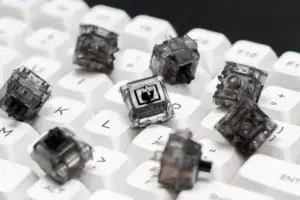 key. Each switch contains its own moving parts and spring, giving it a distinct feel and sound.
There are many types of mechanical switches, but they generally fall into three categories:
- Linear switches for smooth, quiet presses
- Tactile switches for noticeable feedback without loud clicks
- Clicky switches for both tactile feedback and audible clicks
This variety lets users choose a keyboard that matches their preferences. Some people want quiet typing, while others enjoy strong feedback and sound.
Mechanical keyboards also tend to have better key consistency. Each key feels the same from edge to edge, which improves accuracy and confidence while typing or gaming.
Simply put, mechanical keyboards are designed with performance and feel in mind—not just cost.
Enhanced Typing Experience and Comfort
One of the biggest reasons people switch to mechanical keyboards (affiliate link) is how they feel to use. The typing experience is often described as more responsive, precise, and comfortable.
Because mechanical switches activate partway through the key press, you don’t always need to bottom out the key. This can reduce finger fatigue over long typing sessions. Over time, this small difference can make a noticeable impact on comfort.
Tactile feedback also helps with typing accuracy. You can feel exactly when a key registers, which makes it easier to type faster with fewer errors. Many users notice immediate improvements in typing speed after switching.
For gamers, mechanical keyboards provide faster and more reliable key presses. This matters in fast-paced games where responsiveness can make the difference between winning and losing.
Mechanical keyboards also often feature anti-ghosting and n-key rollover, meaning multiple key presses are registered accurately at the same time. This is especially useful for gaming and power users who rely on complex key combinations.
Common concerns include noise and adjustment time. Some mechanical keyboards are louder than membrane keyboards, but quieter switch options exist. There may be a short learning curve, but most users adapt quickly—and rarely want to go back.
Durability and Longevity
Another major advantage of mechanical keyboards is how long they last.
Membrane keyboards typically wear out after a few million key presses. Over time, keys can lose responsiveness, feel uneven, or stop working entirely.
Mechanical switches are built to last much longer. Most are rated for 50 million keystrokes or more per key. That means a mechanical keyboard can last years—even decades—with proper care.
Mechanical keyboards are also easier to maintain and repair. If a key stops working, it’s often possible to replace a single switch instead of the entire keyboard, especially with hot-swappable models.
Higher-quality materials also play a role. Mechanical keyboards often feature sturdier frames, better keycaps, and more durable cables. This makes them better suited for heavy daily use.
While the upfront cost is higher, many users find that a mechanical keyboard ends up being more cost-effective in the long run since it doesn’t need to be replaced as often.
Customization and Aesthetic Appeal
Customization is where mechanical keyboards really shine.
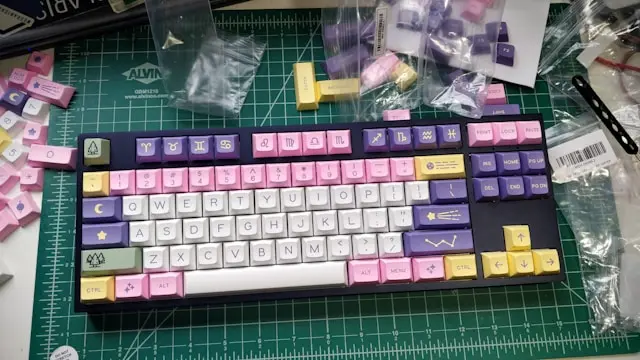
Many mechanical keyboards allow you to customize keycaps, letting you change colors, materials, and even the legends on the keys. This makes it easy to personalize your setup or improve visibility and feel.
Switch customization is another huge draw. Some keyboards allow users to swap switches without soldering, making it easy to experiment with different typing feels.
RGB lighting is also popular. While not necessary for performance, customizable lighting can enhance aesthetics, improve visibility in low-light environments, and match your overall setup theme.
Mechanical keyboards also come in a wide range of sizes:
- Full-size keyboards with number pads
- Tenkeyless (TKL) for a more compact layout
- Small form-factor keyboards for minimal desks or portability
This flexibility makes it easier to find a keyboard that fits your workspace, typing habits, and style preferences.
For many users, a mechanical keyboard becomes more than just a tool—it becomes part of their personal setup and daily routine.
Conclusion
Mechanical keyboards offer more than just satisfying clicks and flashy lights. They provide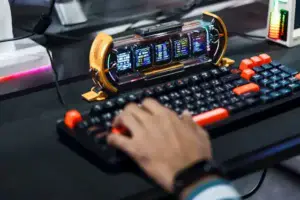 a better typing experience, improved comfort, long-term durability, and endless customization options.
While they aren’t required for everyone, many users find that switching to a mechanical keyboard makes daily computer use more enjoyable and efficient—whether they’re gaming, working, or just typing.
If you value comfort, performance, and personalization, a mechanical keyboard is absolutely worth considering.
Have you tried a mechanical keyboard, or are you thinking about making the switch? Share your experience, favorite switch types, or questions in the comments below—I’d love to hear what you think!