
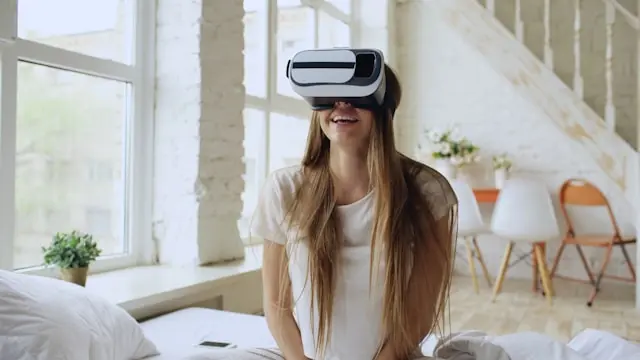
The Future of Virtual Reality: Trends and Predictions
Introduction
Virtual reality (VR) used to feel like something straight out of a sci-fi movie. Fast forward to today, and VR headsets are showing up in living rooms, classrooms, and even offices. While VR is still evolving, it’s no longer just about gaming—it’s becoming a powerful tool for entertainment, education, work, and social connection.
If you’ve ever wondered where VR is headed, you’re not alone. New hardware, smarter software, and faster networks are pushing virtual reality forward at a rapid pace. In this guide, we’ll break down what virtual reality is, explore the trends shaping its future, look at the opportunities and challenges ahead, and make some educated predictions about where VR is going next—all in plain English, no tech jargon required.
Introduction to Virtual Reality: A Glimpse into the Future
At its core, virtual reality is about immersion. By putting on a VR headset, you’re stepping into a digital environment that feels interactive and real. You can look around, move, and sometimes even touch or manipulate objects in a virtual space.
Early VR experiences were impressive but clunky. Headsets were bulky, graphics were limited, and motion sickness was a real issue for many users. Today’s VR technology has come a long way. Modern headsets are lighter, more powerful, and easier to use, often requiring no external sensors or complicated setup.
What makes VR exciting for the future is its ability to simulate experiences that would otherwise be impossible or impractical. Want to tour a museum on the other side of the world? Attend a virtual concert? Practice a job skill in a risk-free environment? VR makes all of this possible—and it’s only getting better.
As hardware improves and costs come down, VR is becoming more accessible to everyday users. This shift is setting the stage for virtual reality to move from a niche interest into a mainstream technology.
Emerging Trends Shaping the VR Space
Several key trends are driving the future of virtual reality, and together they’re changing how we interact with digital content.
One of the biggest trends is standalone VR headsets. Unlike older systems that required powerful PCs or gaming consoles, standalone headsets have everything built in. This makes VR easier to set up and more appealing to casual users who don’t want to invest in expensive extra hardware.
Another major trend is mixed reality, which blends virtual and real-world elements. Instead of fully blocking out your surroundings, mixed reality allows digital objects to interact with the physical world around you. This opens the door to new applications in work, education, and everyday productivity.
Social VR is also gaining traction. Virtual spaces where people can meet, chat, and collaborate are becoming more popular, especially for remote work and online communities. These environments aim to recreate the feeling of being together, even when people are miles apart.
On the content side, developers are focusing more on comfort and accessibility. Improved motion tracking, better frame rates, and smarter movement systems are reducing motion sickness and making VR enjoyable for longer sessions.
Finally, advancements in artificial intelligence are enhancing VR experiences. AI can create more realistic characters, responsive environments, and personalized interactions, making virtual worlds feel more alive.
The Opportunities and Challenges Ahead
Virtual reality presents huge opportunities, but it also comes with challenges that need to be addressed for widespread adoption.
On the opportunity side, VR has the potential to transform education and training. Students can explore historical events, practice complex procedures, or learn hands-on skills in a safe virtual environment. Businesses are already using VR for employee training, simulations, and design visualization.
Healthcare is another area where VR shows promise. From physical therapy and pain management to mental health treatments, VR is being used as a tool to improve patient care and outcomes.
Entertainment will continue to be a major driver. Gaming, virtual concerts, interactive movies, and immersive storytelling are pushing creative boundaries in ways traditional media can’t match.
However, challenges remain. Cost is still a barrier for some users, especially when considering high-end headsets and accessories. While prices are dropping, VR isn’t yet as affordable as smartphones or laptops.
Comfort and usability are ongoing concerns. Even with improvements, some users experience discomfort during long sessions. Developers and hardware manufacturers are actively working to address this, but it’s still a hurdle.
There’s also the issue of content availability. For VR to truly thrive, there needs to be a steady stream of high-quality experiences that appeal to a wide audience, not just tech enthusiasts.
Privacy and data security are another important consideration. As VR becomes more social and data-driven, protecting user information will be critical. Data security in virtual reality should be prioritized as more personal information is exchanged and stored in virtual environments.
Predicting Future Developments in VR
Looking ahead, the future of virtual reality appears both exciting and transformative. One likely development is lighter and more stylish headsets. As technology advances, VR devices may start to resemble regular glasses, making them easier to wear and more socially acceptable.
We can also expect better integration with everyday technology. VR may work seamlessly with smartphones, smart homes, and other devices, creating a more connected digital ecosystem.
Another prediction is the rise of virtual workspaces. Instead of video calls, people may meet in virtual offices where collaboration feels more natural and interactive. This could change how remote work is done, making it more engaging and productive.
As internet speeds improve, especially with advancements like 5G and beyond, cloud-based VR could become more common. This would allow powerful VR experiences without needing expensive hardware, similar to how streaming services work today.
Long-term, VR could play a role in shaping how we socialize, learn, and even shop. Virtual storefronts, digital events, and immersive online communities may become part of everyday life.
While it’s impossible to predict everything, one thing is clear: virtual reality is not a passing trend. It’s an evolving technology that’s steadily carving out a place in the future of computing.
Conclusion
Virtual reality has come a long way from its early days, and its future looks brighter than ever. With improving hardware, smarter software, and growing interest across industries, VR is moving closer to mainstream adoption.
Whether you’re a gamer, a student, a professional, or just someone curious about technology, VR offers exciting possibilities worth keeping an eye on. As challenges like cost, comfort, and content continue to be addressed, virtual reality may soon become a natural part of how we interact with the digital world.
What do you think about the future of virtual reality? Are you excited, skeptical, or somewhere in between? Share your thoughts and experiences in the comments—I’d love to hear what you think.