
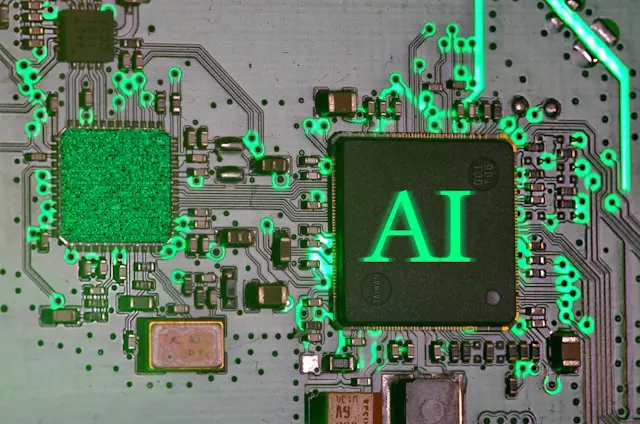
The Impact of Artificial Intelligence in Various Industries
Introduction
Artificial Intelligence (AI) has quickly become one of the most talked-about technologies in the world. From smartphones and online shopping to healthcare and transportation, AI is quietly shaping the way many industries operate. Even if you’re not directly working in the tech field, chances are you’re already interacting with AI on a daily basis.
AI refers to computer systems designed to perform tasks that typically require human intelligence. These tasks can include recognizing images, analyzing data, understanding speech, or making predictions based on patterns. Over the past decade, advances in computing power, data availability, and machine learning have made AI more accessible and useful than ever before.
For businesses and organizations, AI offers opportunities to automate tasks, improve efficiency, and uncover insights that might otherwise go unnoticed. At the same time, it also raises questions about job roles, data privacy, and responsible technology use.
In this guide, we’ll explore the rise of artificial intelligence, how it’s being used across various industries, the benefits and challenges of adopting AI, and what the future may hold for this rapidly evolving technology.
Understanding the Rise of Artificial Intelligence
Although AI may seem like a recent breakthrough, the concept has been around for decades. Early researchers began exploring artificial intelligence as far back as the 1950s. However, the technology was limited by the computing power available at the time.
Today, things are very different. Modern computers can process enormous amounts of data quickly, and advanced algorithms allow machines to identify patterns and learn from experience. This branch of AI, often called machine learning, is what powers many of the intelligent systems we use today.
Several factors have contributed to the rapid growth of AI:
- Increased computing power
- Massive amounts of available data
- Advances in machine learning algorithms
- Cloud computing and scalable infrastructure
Together, these developments have made AI practical for real-world applications. Businesses can now use AI tools to analyze customer behavior, automate repetitive tasks, and improve decision-making.
Another reason AI has become more widespread is the availability of user-friendly software tools and platforms. Companies no longer need massive research teams to experiment with AI. Many AI-powered tools are available through cloud services, making them accessible to businesses of all sizes.
As a result, industries across the globe are beginning to integrate AI into their everyday operations.
AI in Key Industries: Revolutionizing Processes
Artificial intelligence is transforming many industries by improving efficiency, accuracy, and productivity. While the specific applications vary, the underlying goal is usually the same: using intelligent systems to perform tasks more effectively.
Healthcare
In healthcare, AI is helping doctors and researchers analyze medical data more quickly and accurately. AI systems can assist with diagnosing diseases, analyzing medical images, and identifying patterns in patient data.
For example, machine learning models can review thousands of medical scans to help detect early signs of conditions like cancer. This technology helps medical professionals make faster and more informed decisions.
Finance
The financial industry uses AI to analyze large amounts of data and detect patterns in transactions. This helps banks and financial institutions identify fraud, assess risk, and automate customer service tasks.
AI-powered chatbots are also becoming more common in banking apps, helping customers check account information or resolve basic issues without speaking to a representative.
Retail and E-Commerce
If you’ve ever received personalized product recommendations while shopping online, you’ve experienced AI in action. Retailers use AI algorithms to analyze browsing behavior and suggest products customers are more likely to purchase.
AI also helps retailers manage inventory, forecast demand, and optimize supply chains.
Manufacturing
Manufacturing companies are using AI to improve production processes and monitor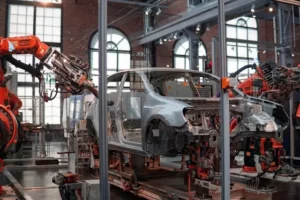 equipment performance. AI-powered systems can analyze machine data to predict when maintenance is needed, reducing costly downtime.
This concept, often called predictive maintenance, helps companies keep operations running smoothly.
Transportation
AI is also playing a major role in transportation. Navigation apps use AI to analyze traffic patterns and suggest the fastest routes. In addition, researchers and technology companies are developing self-driving vehicle technology powered by AI.
While fully autonomous vehicles are still evolving, the technology continues to advance.
Benefits and Challenges of AI Adoption
Like many powerful technologies, artificial intelligence comes with both advantages and potential challenges. Understanding both sides helps organizations make informed decisions when implementing AI systems.
Benefits of AI
One of the biggest advantages of AI is automation. Many repetitive or time-consuming tasks can be handled by intelligent systems, freeing up human workers to focus on more complex or creative work.
Other benefits include:
- Improved efficiency and productivity
- Faster data analysis and decision-making
- Reduced human error in certain tasks
- Enhanced customer experiences through personalization
- Better predictions and forecasting
AI can also help businesses uncover insights hidden within large datasets. These insights can lead to better strategies and more informed decisions.
Challenges and Concerns
Despite its benefits, AI adoption also presents some challenges.
One common concern is the potential impact on jobs. While AI can create new roles in technology and data science, it may also automate certain tasks previously performed by humans. This means workers may need to develop new skills as industries evolve.
Another issue is data privacy and security. AI systems often rely on large datasets, and organizations must ensure that sensitive information is protected.
There are also ethical considerations surrounding AI. For example, poorly designed algorithms can introduce bias into decision-making processes if they are trained on incomplete or biased data.
Finally, implementing AI systems can require significant resources, including technical expertise and infrastructure.
Because of these challenges, many organizations are taking a cautious approach to AI adoption, focusing on responsible and transparent use of the technology.
The Future of AI in Industry
Artificial intelligence is still evolving, and its impact on industries will likely continue to grow in the coming years.
One major trend is the increased integration of AI into everyday software tools. Many productivity apps, business platforms, and creative tools are already incorporating AI-powered features to help users work more efficiently.
Another emerging trend is the development of AI-assisted decision-making systems. Instead of fully replacing human judgment, these systems are designed to support professionals by analyzing data and presenting recommendations.
Industries may also see more collaboration between humans and AI systems. Rather than replacing workers, AI can function as a powerful assistant that enhances productivity and creativity.
Additionally, improvements in natural language processing and machine learning may allow AI systems to understand and interact with humans more naturally. This could lead to better virtual assistants, smarter automation tools, and improved customer support systems.
However, the future of AI will also depend on how societies address issues such as regulation, ethics, and workforce development. Governments, companies, and educators will likely need to work together to ensure AI technologies are used responsibly.
For everyday users, the continued growth of AI may bring smarter tools, more personalized experiences, and improved services across many areas of life.
Conclusion
Artificial intelligence is no longer a distant concept from science fiction. It has become a powerful tool that is transforming industries and shaping the way businesses operate. From healthcare and finance to retail and manufacturing, AI is helping organizations analyze data, automate processes, and improve efficiency.
At the same time, adopting AI comes with important considerations. Issues such as job impacts, data privacy, and ethical decision-making require thoughtful planning and responsible implementation.
As technology continues to evolve, AI will likely become an even more integrated part of everyday tools and services. For businesses and individuals alike, understanding how AI works and how it affects different industries can help people adapt to the changing technological landscape.
The future of artificial intelligence is still being written, and its potential applications are constantly expanding.
What are your thoughts on the growing role of artificial intelligence in modern industries? Have you encountered AI tools in your work or daily life? Feel free to share your experiences or opinions in the comments below. Your perspective could spark an interesting discussion for other readers!