
Exploring the World of Hackathons
Introduction
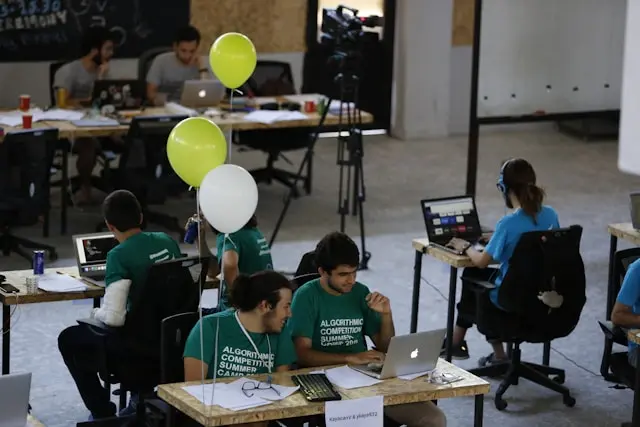
If you’ve spent any time around the tech community, chances are you’ve heard the term “hackathon.” At first glance, the word might sound intimidating or make you think of hackers breaking into computer systems in movies. In reality, hackathons are usually creative, collaborative events where people come together to build projects, solve problems, and learn new skills in a short amount of time.
Hackathons have become increasingly popular over the years, attracting programmers, designers, students, gamers, entrepreneurs, and even complete beginners who simply want to learn more about technology. Some hackathons focus on building apps or games, while others revolve around topics like artificial intelligence, cybersecurity, robotics, or social causes.
What makes hackathons exciting is the atmosphere. They combine teamwork, creativity, and fast-paced problem-solving into one event. Whether held online or in person, hackathons give participants a chance to experiment with ideas, meet like-minded people, and challenge themselves in new ways.
In this guide, we’ll explore what hackathons are, what happens during these events, the benefits of participating, and how you can prepare for your first hackathon experience.
What Are Hackathons and Why Are They Popular?
A hackathon is an event where individuals or teams work together over a limited period of time—often 24 to 48 hours—to create a project or solve a problem using technology.
Despite the name, hackathons are usually focused on innovation and collaboration rather than anything malicious. The “hack” part refers more to creative problem-solving than computer hacking.
Different Types of Hackathons
Hackathons come in many forms, including:
- Coding competitions
- Game development events
- Startup and business idea challenges
- AI and machine learning events
- Cybersecurity competitions
- Community-focused innovation projects
Some events are hosted by schools or universities, while others are organized by tech companies or online communities.
Why Are Hackathons So Popular?
One major reason is the opportunity to learn quickly in a hands-on environment. Participants often experiment with technologies or tools they’ve never used before.
Hackathons are also highly social. They encourage teamwork, networking, and collaboration. Many participants enjoy the chance to meet people with similar interests and work together on exciting ideas.
Another factor is creativity. Unlike structured classroom assignments or workplace projects, hackathons often allow participants to think outside the box and build something unique.
For beginners, hackathons can be a fun introduction to the tech world. For experienced professionals, they provide a chance to sharpen skills and explore new ideas.
What Happens During a Hackathon?
If you’ve never attended a hackathon before, you might wonder what the actual experience looks like. While every event is different, most hackathons follow a similar structure.
Team Formation
Some participants arrive with a team already assembled, while others join teams at the event. Teams often include people with different skills such as:
- Programming
- Graphic design
- Project management
- Presentation skills
Even beginners can contribute by helping with ideas, testing, or organization.
Choosing a Project
Once teams are formed, participants brainstorm ideas and decide what they want to build. Depending on the event theme, projects might include:
- Mobile apps
- Websites
- Games
- AI tools
- Hardware projects
- Productivity software
The challenge is usually creating something functional within a short timeframe.
Building and Problem-Solving
This is where the real work begins. Teams spend hours designing, coding, testing, and troubleshooting their projects.
Because time is limited, participants often face common challenges such as:
- Bugs and technical issues
- Time management problems
- Communication difficulties within teams
- Feature ideas that are too ambitious
Learning how to adapt and prioritize is a huge part of the hackathon experience.
Presentations and Judging
At the end of the event, teams typically present their projects to judges or the community. Presentations often include:
- A demonstration of the project
- An explanation of the idea
- Technical details
- Future improvements or goals
Some hackathons offer prizes, internships, or networking opportunities for winning teams.
Benefits of Participating in Hackathons
Hackathons offer much more than just competition. They can provide valuable personal and professional growth opportunities.
Hands-On Learning
One of the biggest advantages is practical experience. Participants often learn more by building a real project in a weekend than they would from weeks of reading tutorials.
Hackathons encourage experimentation and fast problem-solving, which helps build confidence.
Networking Opportunities
Hackathons are great places to meet:
- Developers
- Designers
- Industry professionals
- Recruiters
- Students and hobbyists
These connections can lead to friendships, collaborations, internships, or even job opportunities.
Skill Development
Participants improve both technical and non-technical skills, including:
- Coding and development
- Teamwork
- Communication
- Presentation skills
- Time management
Working under pressure also teaches adaptability and creative thinking.
Portfolio Building
Projects created during hackathons can become valuable additions to a portfolio or resume. Even incomplete projects can demonstrate initiative and problem-solving ability.
Confidence and Motivation
Many participants leave hackathons feeling energized and inspired. Completing a project under time pressure can be incredibly rewarding.
Even if things don’t go perfectly, the experience itself is often valuable.
How to Prepare for and Succeed in a Hackathon
You don’t need to be an expert programmer to enjoy a hackathon. Preparation and mindset matter just as much as technical skills.
Start with Realistic Expectations
Beginners sometimes feel intimidated by experienced participants. The truth is that hackathons are learning experiences for everyone.
You don’t need to build the next groundbreaking app overnight. Focus on learning, contributing, and having fun.
Bring the Right Tools
Before the event:
- Make sure your laptop and software are updated
- Bring chargers and accessories
- Install any tools you may need
- Test your development environment beforehand
Technical issues can waste valuable time during the event. For advice on assembling and utilizing the right setup, check out essential tools for building your own PC.
Keep Your Project Scope Manageable
One common mistake is trying to build something too large or complicated.
Instead:
- Focus on a simple core idea
- Prioritize essential features
- Build a functional prototype first
A smaller, polished project is often better than a massive unfinished one. Learn from common mistakes to avoid setbacks during your project.
Communicate with Your Team
Good teamwork is critical during hackathons.
Make sure to:
- Divide tasks clearly
- Share progress regularly
- Help teammates when possible
- Stay flexible if plans change
Strong communication can prevent confusion and wasted effort.
Take Care of Yourself
Hackathons can be intense, especially longer events.
Remember to:
- Stay hydrated
- Eat regularly
- Take short breaks
- Get some sleep if possible
Burning yourself out usually hurts productivity more than it helps.
Conclusion
Hackathons are exciting events that combine creativity, teamwork, and technology into a unique learning experience. Whether you’re a beginner exploring tech for the first time or an experienced developer looking for a challenge, hackathons offer something valuable for everyone.
These events provide opportunities to build projects, meet new people, develop skills, and gain hands-on experience in a fast-paced environment. While hackathons can feel intimidating at first, they’re often more welcoming and collaborative than people expect.
The key is to approach them with curiosity and a willingness to learn. You don’t need to know everything before participating. In many ways, hackathons are about learning by doing—and sometimes learning from mistakes along the way.
As technology continues to evolve, hackathons remain an important part of the tech community, encouraging innovation and helping people turn ideas into reality.
Have you ever participated in a hackathon or considered joining one? What kind of project would you want to create? Share your thoughts, experiences, or questions in the comments below. Your ideas might inspire someone else to jump into the world of hackathons!