
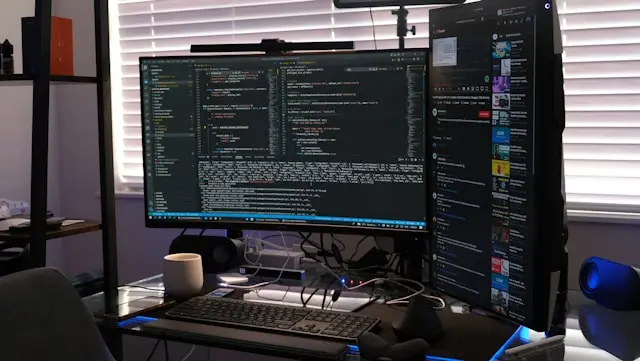
Interview With a Game Developer
Introduction
Have you ever wondered what it takes to create a video game? From the first spark of an idea to the final product that players enjoy, game development is a fascinating process that combines creativity, technical skill, teamwork, and problem-solving. While gamers often focus on the finished experience, there is an incredible amount of work happening behind the scenes to bring virtual worlds to life.
Game developers come from a variety of backgrounds and specialize in different areas such as programming, art, animation, design, writing, and audio production. Together, they collaborate to create experiences that entertain millions of players around the world.
For this article, we’ll take a conversational look at what it’s like to work in game development through a fictionalized interview format based on common experiences shared by professionals throughout the industry. We’ll explore how developers get started, how games are created, the challenges facing the gaming industry today, and what the future may hold.
Whether you’re interested in pursuing a career in game development or simply curious about how your favorite games are made, this behind-the-scenes look offers valuable insight into one of the most exciting industries in technology and entertainment.
Introduction: Getting to Know the Developer
To begin, let’s meet our featured developer, Alex, who has spent several years working on both independent and larger studio projects.
How Did You Get Started in Game Development?
Alex: Like many developers, I started because I loved playing games. As a teenager, I became curious about how games actually worked. I began experimenting with simple game development tools and eventually learned programming and design skills through online tutorials and personal projects.
Many developers enter the industry through different paths. Some study computer science, while others focus on art, animation, music, or design. There’s no single route into game development.
What Does a Typical Day Look Like?
Alex: Every day is different. Some days are spent writing code and fixing bugs. Other days involve meetings, brainstorming gameplay ideas, reviewing artwork, or testing features. Game development is highly collaborative, so communication is a huge part of the job.
What Skills Are Most Important?
Alex: Technical skills are important, but problem-solving and teamwork are just as valuable. Creating games often involves overcoming unexpected challenges, and being able to work effectively with others makes a huge difference.
What Surprises Most People About Game Development?
Alex: Many people are surprised by how much planning goes into even simple features. Something that takes a player a few seconds to use may require weeks of design, development, testing, and refinement.
This early glimpse highlights one of the biggest misconceptions about game development: creating games is often far more complex than it appears from the outside.
The Creative Process Behind Game Development
Creating a game involves several stages, each requiring different skills and careful coordination.
Where Do Game Ideas Come From?
Alex: Inspiration can come from almost anywhere. Sometimes it’s another game, a movie, a book, a real-world experience, or even a simple question like “What if we tried this mechanic in a different way?”
The best ideas often evolve significantly during development as teams experiment and refine concepts.
What Happens First?
Alex: Usually, we start with a prototype. A prototype is a basic version of the game designed to test whether the core gameplay is fun. At this stage, graphics and polish don’t matter much. The goal is simply to determine whether the idea works.
How Does a Game Grow From There?
Once a prototype shows promise, development typically expands to include:
- Character design
- Environment creation
- Programming systems
- Story development
- Audio production
- User interface design
- Multiplayer features
Each department contributes to the overall experience.
What Are Some Common Challenges?
Alex: Time management is a big challenge. Every game has deadlines, budgets, and technical limitations. Sometimes great ideas need to be scaled back because they aren’t practical within the available resources.
Developers frequently face issues such as:
- Feature creep
- Performance optimization
- Hardware compatibility
- Bug fixing
- Balancing gameplay systems
Finding solutions to these problems is part of the daily reality of game development.
How Important Is Testing?
Alex: Testing is absolutely critical. No matter how carefully a game is built, issues will always appear. Testing helps identify bugs, balance problems, and usability concerns before players encounter them.
Many players don’t realize just how much testing occurs before a game reaches release.
Insights on the Gaming Industry
The gaming industry has evolved dramatically over the past few decades, creating both opportunities and challenges for developers.
How Has the Industry Changed?
Alex: Technology has transformed everything. Development tools are more accessible than ever, allowing small teams to create impressive games. At the same time, player expectations continue to rise, which creates additional pressure.
Today’s developers have access to powerful engines, online distribution platforms, and global audiences that weren’t available years ago.
What Opportunities Exist for New Developers?
Alex: There are more opportunities than ever before. Independent developers can publish games digitally, build communities through social media, and even fund projects through crowdfunding platforms.
Aspiring developers can also learn valuable skills through:
- Online courses
- Development communities
- Open-source projects
- Game jams
- Personal projects
The barrier to entry has become much lower than it once was.
What Challenges Does the Industry Face?
Like many industries, game development faces ongoing challenges:
- Intense competition
- Long development cycles
- Rising production costs
- Player expectations
- Burnout concerns
Developers must balance creativity with business realities while maintaining sustainable workflows.
What Advice Would You Give Aspiring Developers?
Alex: Start creating. Don’t wait until you feel like an expert. Build small projects, learn from mistakes, and keep improving. Every successful developer started as a beginner.
This advice is common throughout the industry because practical experience often teaches lessons that can’t be learned from theory alone.
What’s Next and Final Thoughts
Looking ahead, the future of game development appears incredibly exciting.
Emerging Technologies
Developers are increasingly exploring technologies such as:
- Artificial intelligence
- Virtual reality
- Augmented reality
- Cloud gaming
- Advanced procedural generation
These innovations may lead to entirely new gaming experiences in the coming years.
The Growth of Indie Development
Independent developers continue making a significant impact on the industry by introducing fresh ideas and creative approaches to game design.
Many trends that become popular in mainstream gaming first emerge within the indie scene.
Community Involvement
Alex: One of the best parts of modern game development is interacting directly with players. Community feedback often helps improve games and provides valuable insight into what players enjoy.
This connection between developers and players has become an important part of modern gaming culture.
Final Words From the Developer
Alex: At the end of the day, game development is about creating experiences people enjoy. It’s challenging, sometimes stressful, but incredibly rewarding when players connect with something you’ve helped create.
These words capture why so many people are drawn to the industry despite its challenges.
Conclusion
Game development is a unique blend of creativity, technology, collaboration, and perseverance. Behind every game is a team of talented individuals working together to transform ideas into interactive experiences that entertain players around the world.
As we’ve explored through this interview-style discussion, the development process involves much more than writing code or creating graphics. Developers must balance technical challenges, creative ambitions, deadlines, testing, and player expectations while constantly adapting to a rapidly changing industry.
For aspiring developers, there has never been a better time to learn and create. Modern tools, online resources, and supportive communities make it easier than ever to begin exploring game development. For gamers, understanding what happens behind the scenes can provide a greater appreciation for the work involved in creating the games we enjoy.
Whether you’re interested in becoming a developer or simply fascinated by the gaming industry, one thing is clear: the future of game development remains bright, innovative, and full of exciting possibilities.
What aspect of game development interests you most? Have you ever considered creating your own game? Share your thoughts, questions, or favorite behind-the-scenes gaming stories in the comments below—we’d love to hear from you!