
The Impact of Multiplayer Gaming in the Gaming Community
Introduction
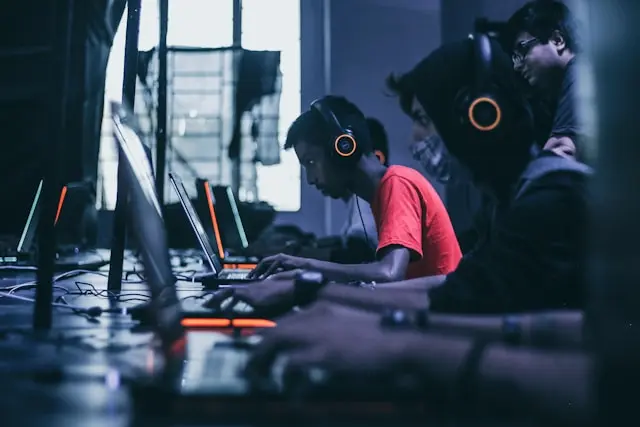
Gaming has changed dramatically over the years. What was once primarily a solo activity played in living rooms and bedrooms has evolved into a global social experience connecting millions of players across the world. Today, multiplayer gaming is one of the most influential aspects of the gaming industry, bringing together people from different countries, cultures, and backgrounds through shared virtual experiences.
Whether it’s teaming up with friends to complete challenging missions, competing against other players in ranked matches, or simply hanging out in online worlds, multiplayer gaming has become a major part of modern entertainment. Many gamers now spend as much time socializing through games as they do actually playing them.
At the same time, multiplayer gaming isn’t without its challenges. Issues such as toxic behavior, cheating, and online harassment can sometimes affect the experience. Despite these concerns, multiplayer gaming continues to grow and evolve, creating new opportunities for connection, competition, and community building.
In this article, we’ll explore the evolution of multiplayer gaming, how it helps build social connections, the positive and negative aspects of multiplayer culture, and what the future may hold for online gaming communities.
The Evolution of Multiplayer Gaming
The multiplayer experiences we enjoy today are the result of decades of technological advancements and changing player expectations.
The Early Days of Multiplayer Gaming
Before widespread internet access, multiplayer gaming often meant sitting in the same room with friends or family. Local multiplayer experiences were popular on home consoles and PCs, allowing players to compete or cooperate using the same device.
Some common early multiplayer formats included:
- Split-screen gaming
- Local area network (LAN) parties
- Hot-seat turn-based games
- Shared-screen cooperative games
These experiences laid the foundation for the social aspects of gaming that would later expand online.
The Rise of Online Gaming
As internet access became more common, online multiplayer gaming exploded in popularity. Players could suddenly connect with others around the world without leaving their homes.
This shift introduced:
- Online matchmaking
- Voice communication
- Persistent online worlds
- Competitive ranking systems
Online gaming transformed multiplayer from a local activity into a global phenomenon.
Growth of Competitive Gaming
The rise of online multiplayer also helped fuel competitive gaming and esports. Games began incorporating ranked systems, tournaments, and professional leagues that allowed skilled players to compete at increasingly high levels.
Today, competitive multiplayer games attract:
- Millions of players
- Professional teams
- Large audiences
- Major sponsorships
Competitive gaming has become a significant part of gaming culture.
Cross-Platform Play
One of the most important recent developments has been cross-platform gaming.
Many modern games allow players using:
- PCs
- Consoles
- Mobile devices
to play together regardless of platform.
This has helped strengthen communities by reducing barriers between players and expanding matchmaking pools.
Building Social Connections Through Gaming
One of the biggest impacts of multiplayer gaming is its ability to bring people together.
Making New Friends
Many gamers have formed lasting friendships through online games. Shared goals, teamwork, and regular interaction often create strong bonds between players.
It’s not uncommon for gamers to:
- Meet new friends online
- Join gaming communities
- Participate in group events
- Maintain friendships for years
Some players even meet lifelong friends or future business partners through gaming communities.
Strengthening Existing Relationships
Multiplayer games also provide opportunities for friends and family members to spend time together, even when separated by distance.
Games allow people to:
- Stay connected
- Share experiences
- Work toward common goals
- Create memorable moments
For many players, gaming serves as a modern social gathering place.
Teamwork and Communication Skills
Many multiplayer games encourage cooperation and strategic thinking.
Players often develop skills such as:
- Communication
- Leadership
- Problem-solving
- Collaboration
- Adaptability
These skills can sometimes carry over into school, work, and everyday life.
Community Building
Online communities often form around specific games or genres.
These communities may include:
- Forums
- Discord servers
- Social media groups
- Fan websites
- Streaming communities
The sense of belonging that comes from participating in these groups can be a significant part of the gaming experience.
Positive and Negative Aspects of Multiplayer Culture
Like any large community, multiplayer gaming has both benefits and challenges.
Positive Aspects
Multiplayer gaming offers many advantages, including:
Shared Experiences
Playing with others creates memorable moments that are often more enjoyable than solo experiences.
Whether it’s:
- Winning a difficult match
- Completing a challenging raid
- Pulling off an unexpected strategy
these moments become stories players share with friends.
Continuous Learning
Multiplayer environments expose players to different strategies and playstyles.
This can help improve:
- Game knowledge
- Decision-making
- Competitive skills
- Adaptability
Supportive Communities
Many gaming communities are welcoming and supportive.
Players frequently:
- Share tips
- Help newcomers
- Create guides
- Organize events
These positive interactions help strengthen gaming culture.
Negative Aspects
Despite the benefits, multiplayer gaming also faces challenges.
Toxic Behavior
One common issue is toxic behavior, which can include:
- Harassment
- Insults
- Unsportsmanlike conduct
- Griefing
Many developers continue working to reduce toxicity through reporting systems and moderation tools.
Cheating and Exploits
Cheating remains a challenge in competitive multiplayer games.
Common issues include:
- Aimbots
- Wallhacks
- Exploiting glitches
- Account boosting
These practices can negatively affect fair competition.
Excessive Competition
While competition can be exciting, some players may become overly focused on rankings and performance.
This can lead to:
- Frustration
- Burnout
- Increased stress
- Reduced enjoyment
Finding a healthy balance is important.
Creating Positive Gaming Experiences
Players can contribute to healthier communities by:
- Showing good sportsmanship
- Helping new players
- Reporting toxic behavior
- Encouraging teamwork
Positive actions often have a ripple effect throughout gaming communities.
The Future of Multiplayer Gaming
The future of multiplayer gaming looks incredibly exciting as technology continues to advance.
Improved Connectivity
Faster internet speeds and improved infrastructure are making online gaming more accessible and reliable.
Future improvements may include:
- Lower latency
- Better matchmaking
- Larger online worlds
- More seamless experiences
Virtual and Augmented Reality
Virtual reality and augmented reality may create new forms of multiplayer interaction.
Players could experience:
- More immersive environments
- Natural communication methods
- Enhanced social interaction
These technologies have the potential to redefine online gaming experiences.
Artificial Intelligence and Dynamic Worlds
Artificial intelligence may help create:
- Smarter NPCs
- Dynamic game environments
- Personalized experiences
- Improved moderation systems
This could make multiplayer worlds feel more alive and responsive.
Expanding Social Features
Future games will likely continue integrating social features such as:
- Voice communication
- Community hubs
- Shared content creation
- Cross-platform integration
The line between gaming and social networking may continue to blur.
The Continued Growth of Gaming Communities
As gaming becomes increasingly mainstream, multiplayer communities will likely continue expanding and diversifying.
New players, technologies, and experiences will help shape the next generation of online gaming culture.
Conclusion
Multiplayer gaming has had a profound impact on the gaming community. It has transformed gaming from a largely solitary hobby into a global social experience that connects people across countries, cultures, and generations.
Through multiplayer games, players can build friendships, strengthen relationships, develop valuable skills, and participate in thriving online communities. While challenges such as toxicity and cheating remain ongoing concerns, the overall influence of multiplayer gaming has been overwhelmingly positive for many players.
As technology continues advancing, multiplayer gaming will likely become even more immersive, accessible, and socially connected. From virtual reality experiences to larger shared worlds and improved communication tools, the future offers exciting possibilities for gamers everywhere.
Whether you enjoy competitive matches, cooperative adventures, or simply spending time with friends online, multiplayer gaming has become one of the most important and influential parts of modern gaming culture.
What has been your favorite multiplayer gaming experience? Have you made friends through online gaming or joined a memorable gaming community? Share your stories and thoughts in the comments below—we’d love to hear about your experiences!