
Understanding the Different Types of Gaming Controllers
Introduction
When most people think about gaming, they picture a keyboard and mouse or a classic console controller. But today’s gaming world offers far more options than ever before. From traditional controllers to specialized gear designed for specific genres, the controller you choose can significantly affect how comfortable, immersive, and enjoyable your gaming experience is.
For a typical user, choosing a gaming controller can feel confusing. There are wired and wireless options, different layouts, extra buttons, motion controls, and even controllers built for accessibility. The good news is that you don’t need to be a hardcore gamer to understand what’s out there and what might work best for you.
In this guide, we’ll walk through the evolution of gaming controllers, explain traditional and specialized controller types, explore emerging technologies, and help you understand how customization plays a growing role in modern gaming.
Overview of Gaming Controllers and Their Evolution
Gaming controllers have come a long way since the early days of gaming. The first controllers were incredibly simple—often just a joystick and one or two buttons. They were designed for straightforward arcade-style games where complexity wasn’t required.
As games evolved, controllers had to evolve too. More buttons were added to handle complex actions, directional pads replaced joysticks for precision, and later analog sticks brought smoother movement and camera control.
The shift to 3D gaming in the late 1990s was a major turning point. Dual analog sticks became the standard, allowing players to move and look around independently. This layout remains the foundation for most modern controllers today.
Wireless technology further changed how people play. Gamers were no longer tied to a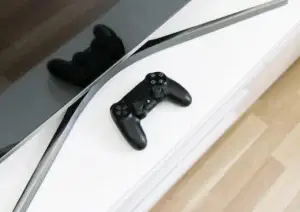 console or PC, making gaming more comfortable and flexible. Battery life, charging options, and connection stability have continued to improve over time.
Today, controllers aren’t just input devices—they’re carefully designed tools that enhance immersion, comfort, and accessibility for players of all skill levels.
Traditional Controllers: Features and Use Cases
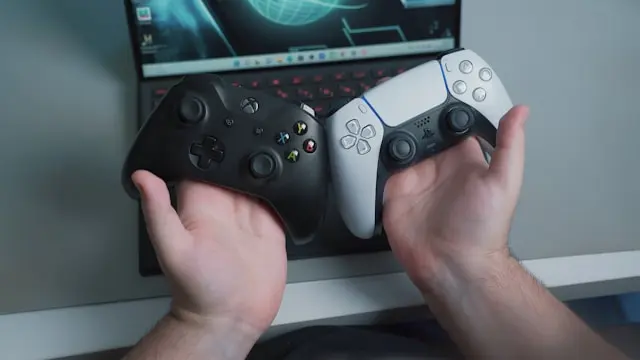
Traditional controllers are what most gamers are familiar with. These are the standard gamepads used on consoles and PCs, and they remain the most versatile option for many players.
A typical traditional controller includes:
- Dual analog sticks
- A directional pad (D-pad)
- Face buttons
- Shoulder buttons and triggers
- Start and menu buttons
These controllers are designed to handle a wide variety of games, from action and adventure titles to racing and sports games. Their ergonomic design allows for long play sessions without excessive strain.
One of the biggest advantages of traditional controllers is compatibility. Many modern controllers work across multiple platforms, including consoles, PCs, and even mobile devices.
However, traditional controllers aren’t perfect for every situation. Precision aiming in first-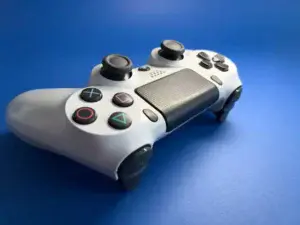 person shooters is often easier with a mouse, and complex strategy games may feel clunky without a keyboard.
Common issues include stick drift, worn-out buttons, and battery degradation over time. Choosing a well-built controller and keeping it clean can help extend its lifespan.
Specialized Controllers for Different Gaming Genres
As gaming has become more diverse, specialized controllers have emerged to meet specific needs and playstyles.
Racing Wheels
Racing wheels are designed for driving games and simulations. They include steering wheels, pedals, and sometimes gear shifters. These controllers offer a much more immersive experience compared to standard controllers, especially in realistic racing sims.
Flight Sticks and HOTAS Systems
Flight sticks and HOTAS (Hands On Throttle and Stick) setups are ideal for flight simulators and space games. They provide precise control and a more authentic cockpit-like experience.
Arcade Sticks
Arcade sticks replicate the feel of classic arcade machines. They’re popular for fighting games and retro titles where precise directional input and button timing matter.
Mobile and Handheld Controllers
With mobile gaming on the rise, compact controllers designed for smartphones and tablets have become more common. These improve control compared to touchscreen inputs and make longer sessions more comfortable.
While specialized controllers offer great experiences, they often come with a learning curve and limited use outside their intended genres. For most users, they’re best seen as optional upgrades rather than replacements for traditional controllers.
Emerging Technologies and Customization Options
Modern gaming controllers are embracing new technologies that enhance immersion and personalization.
One major trend is advanced haptic feedback. Instead of simple vibrations, newer controllers can simulate textures, impacts, and environmental effects. This adds a subtle but meaningful layer of immersion.
Motion controls are another evolving feature. While not every gamer loves them, motion-based input can be fun and intuitive for certain games, especially casual or party-style titles.
Customization has also become a major selling point. Many controllers now allow users to:
- Remap buttons
- Adjust trigger sensitivity
- Change stick tension
- Swap thumbsticks or paddles
This flexibility helps players tailor controllers to their preferences or physical needs. It’s especially beneficial for accessibility, allowing more people to enjoy gaming comfortably.
Wireless performance continues to improve as well. Lower latency, longer battery life, and faster charging make wireless controllers more reliable than ever.
As technology advances, controllers are becoming smarter, more adaptable, and better suited to a wide range of users—not just competitive gamers.
Conclusion
Gaming controllers are no longer one-size-fits-all. From traditional gamepads to specialized controllers and cutting-edge customization options, there’s a controller out there for nearly every type of player.
For most users, a standard controller offers the best balance of comfort, versatility, and ease of use. Specialized controllers can enhance specific genres, while emerging technologies continue to push immersion and accessibility forward.
The key is understanding your gaming habits and choosing a controller that fits how—and what—you like to play.
What’s your favorite type of gaming controller? Have you tried any specialized or customizable options? Share your thoughts, experiences, or questions in the comments below—I’d love to hear what works best for you!