
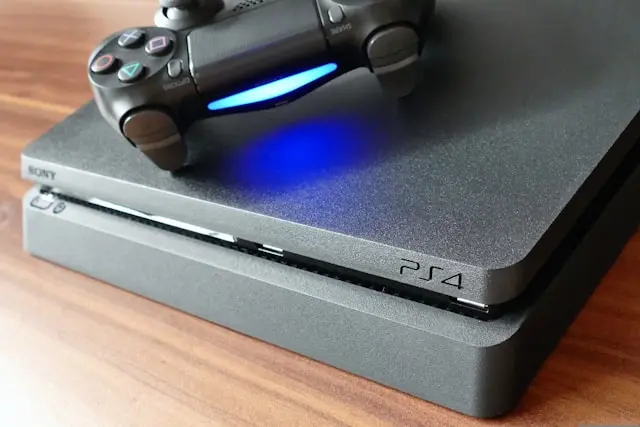
How To Choose The Best Gaming Console
Beginner-Friendly Guide for New and Casual Gamers
Choosing a gaming console sounds simple—until you actually start comparing them. PlayStation, Xbox, Nintendo… each one has its own games, features, subscriptions, and price points. If you’re new to gaming (or buying a console as a gift), it’s easy to feel overwhelmed.
The good news? You don’t need to be a tech expert to make the right choice. In this guide, we’ll walk through everything step by step so you can confidently choose the best gaming console for your budget, play style, and needs.
1. Understanding the Major Gaming Console Options
Let’s start with the three main players in the console world.
PlayStation (Sony)
PlayStation consoles are known for:
- Strong single-player exclusive games
- High-quality graphics and performance
- A large global player base
Popular exclusives include action-adventure and story-driven games that focus on immersion and cinematic experiences.
Best for:
Gamers who love story-rich games and polished visuals.
Xbox (Microsoft)
Xbox stands out for:
- Excellent online services
- Strong ecosystem across console and PC
- Game Pass subscription value
Xbox consoles integrate tightly with Windows PCs and cloud gaming, making them flexible for modern gamers.
Best for:
Gamers who want lots of games for a low monthly cost and strong online features.
Nintendo
Nintendo does things differently:
- Family-friendly games
- Unique franchises you can’t play anywhere else
- Portable gaming options
Nintendo focuses less on raw power and more on fun, creativity, and accessibility.
Best for:
Families, casual gamers, and fans of Nintendo-exclusive titles.
2. Performance, Graphics, and Hardware Features
While all consoles are easy to use, there are differences in performance and features worth considering.
Graphics and Resolution
- Most modern consoles support 1080p to 4K gaming
- Higher-end consoles offer smoother frame rates
- Nintendo prioritizes gameplay over visual realism
If you have a 4K TV, you may want a console that fully supports it—but great games still look good at lower resolutions.
Storage and Load Times
Modern consoles use fast storage, which means:
- Faster load times
- Quicker game launches
- Less waiting overall
Storage space matters, though. Games are getting larger, so check:
- Built-in storage size
- Whether expansion is easy or affordable
Controllers and Accessories
Controllers are a huge part of the experience:
- Some focus on immersion and vibration features
- Others prioritize comfort and battery life
Think about:
- Controller feel
- Extra accessories (headsets, charging docks)
- Accessibility features if needed
3. Online Services, Game Libraries, and Backward Compatibility
This is where long-term value really matters.
Subscription Services
Most consoles offer paid subscriptions that include:
- Online multiplayer
- Monthly free games
- Cloud saves
Some services also give you access to hundreds of games for one monthly price.
Game Libraries
Ask yourself:
- What games do I actually want to play?
- Are my favorites exclusive to one console?
- Do I prefer digital downloads or physical discs?
A console with great specs won’t matter if it doesn’t have games you enjoy.
Backward Compatibility
Some consoles let you:
- Play older games
- Carry forward your existing library
- Save money by replaying classics
If you already own older games, this can be a big advantage.
4. Choosing the Right Console Based on Your Budget and Play Style
Now let’s bring everything together.
For Casual Gamers
- Simple setup
- Affordable pricing
- Easy-to-learn games
A console with family-friendly titles and straightforward menus is ideal.
For Competitive or Online Gamers
- Strong online infrastructure
- Reliable performance
- Active player communities
Look for consoles known for stable online play and frequent updates.
For Families
- Parental controls
- Kid-friendly games
- Multiplayer options
A console that supports couch co-op and age-appropriate content is a big win.
For Budget-Conscious Buyers
- Subscription value
- Digital-only options
- Sales and bundles
You don’t need the most expensive console to have fun—many budget-friendly options offer incredible value.
Final Thoughts
The “best” gaming console isn’t the most powerful one—it’s the one that fits your lifestyle, budget, and gaming habits.
Before buying, ask yourself:
- What games do I want to play?
- Who will be using the console?
- Do I care more about graphics, value, or portability?
Once you answer those questions, the right choice becomes much clearer.