
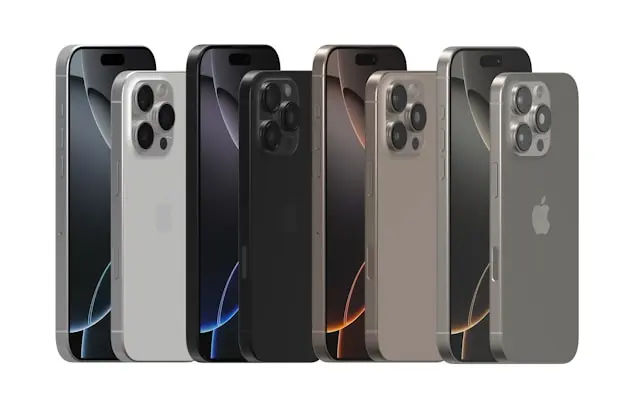
Overview of the Latest Mobile Devices: What You Need to Know
Introduction
Keeping up with the latest mobile devices can feel overwhelming. Every year, manufacturers release new phones packed with faster processors, better cameras, longer battery life, and features that sound impressive—but aren’t always easy to understand. If you’re a typical user who just wants a reliable phone that fits your lifestyle, it can be tough to figure out what actually matters and what’s just marketing hype.
In this guide, we’ll break down the latest mobile devices in a clear, conversational way. We’ll look at who’s making the newest phones, what features are truly cutting-edge, and how to decide which device is right for you. Whether you’re upgrading an old phone or buying your first smartphone, this overview will help you make a confident decision without needing to be a tech expert.
Introduction to Latest Mobile Devices
Modern mobile devices have come a long way from simple calling and texting tools. Today’s smartphones are powerful mini-computers that handle everything from work emails and video calls to gaming, photography, and navigation.
One major trend in the latest devices is refinement rather than reinvention. Instead of radical redesigns, manufacturers are improving performance, efficiency, and user experience. Phones are getting faster, smoother, and more capable, while also becoming better at managing battery life and heat.
Another noticeable shift is the focus on longevity. Many newer phones now promise longer software support, meaning your device can stay secure and up to date for years. This is especially helpful for users who don’t want to upgrade every year.
Common improvements you’ll see across most new mobile devices include:
- Faster processors for smoother multitasking
- Improved camera systems with better low-light performance
- Brighter, higher refresh-rate displays
- More emphasis on security and privacy
- Better integration with accessories like smartwatches and earbuds
While it’s easy to get caught up in specs, the key takeaway is that most modern phones are very capable. The “best” device isn’t always the most expensive—it’s the one that fits how you actually use your phone.
Top Manufacturers and Their Latest Offerings
Several major manufacturers dominate the mobile device market, each with their own strengths and target audiences. Understanding these differences can make shopping much easier.
Apple continues to focus on a polished, user-friendly experience. Their latest devices emphasize performance efficiency, strong privacy features, and seamless integration with other Apple products. If you already use a Mac, iPad, or Apple Watch, staying within this ecosystem often makes life simpler.
Samsung offers one of the widest ranges of devices. From premium flagship phones to
more affordable options, Samsung caters to many budgets. They’re also leaders in display technology, often delivering vibrant screens and innovative designs, including foldable phones.
Google focuses on clean software and smart features. Their latest devices highlight AI-powered tools like improved voice assistance, photo enhancements, and real-time translation. These phones are often praised for their cameras and straightforward Android experience.
Other manufacturers such as OnePlus, Motorola, and Xiaomi continue to offer strong alternatives. These brands often focus on value—delivering powerful hardware at competitive prices—making them appealing for users who want great performance without paying premium prices.
When comparing brands, consider:
- Software experience and ease of use
- Update and support length
- Price versus features
- Compatibility with accessories you already own
No single brand is “best” for everyone, which is why it’s important to think about what you value most in a phone.
Cutting-edge Features and Technologies
The latest mobile devices include several advanced features, but not all of them are equally important for every user. Let’s break down the ones you’re most likely to notice day to day.
Displays have improved significantly. Many new phones use high refresh-rate screens, which make scrolling and animations feel smoother. Once you experience this, it’s hard to go back. Brightness has also improved, making phones easier to use outdoors.
Cameras continue to be a major selling point. Newer devices rely heavily on software processing to enhance photos automatically. This means you don’t need to be a photography expert to take good pictures. Features like night mode, portrait effects, and video stabilization are now standard on many phones.
Battery technology has focused more on efficiency than size. Faster charging is common, allowing you to top up your phone quickly. Some devices also include smart battery management to reduce wear over time.
Security features are another big focus. Fingerprint sensors, facial recognition, and enhanced encryption help keep your data safe. Many phones also include privacy dashboards that show which apps are accessing your information.
Connectivity has improved as well. Faster wireless standards make streaming, downloading, and video calls smoother—especially in areas with strong network coverage.
While these features sound impressive, it’s important to remember that you don’t need all of them. Think about which upgrades will actually improve your daily use instead of chasing the latest trend.
Consumer Buying Guide and Future Trends
Choosing the right mobile device starts with understanding your own needs. Before buying, ask yourself a few simple questions:
- Do I mainly use my phone for calls, texts, and browsing?
- Do I take a lot of photos or videos?
- Do I play games or use demanding apps? games
- How long do I want to keep this phone?
If you’re a light user, you don’t need the most powerful processor or the most expensive model. A mid-range phone can handle everyday tasks easily and save you money.
For heavier users—such as gamers, content creators, or remote workers—investing in
better performance, more storage, and higher display quality can be worthwhile.
Looking ahead, future trends in mobile devices include:
- Greater use of AI to personalize user experience
- Continued improvements in battery efficiency
- More sustainable materials and eco-friendly packaging
- Enhanced integration with smart home and wearable devices
The good news is that mobile technology is becoming more user-friendly over time. Features that once felt complicated are now automated and intuitive, making modern phones easier to use than ever.
Conclusion
The latest mobile devices offer something for everyone, whether you want simplicity, performance, or cutting-edge features. While the constant stream of new releases can feel overwhelming, most modern phones are reliable, powerful, and capable of handling everyday tasks with ease.
Instead of focusing on hype or specs alone, the best approach is to match a device to your lifestyle and budget. By understanding the major manufacturers, key features, and current trends, you can make a smart, confident choice that you’ll be happy with for years to come.
Have you recently upgraded your phone, or are you thinking about it? What features matter most to you? Share your thoughts and experiences in the comments—we’d love to hear from you and help others make better choices too! 📱💬