
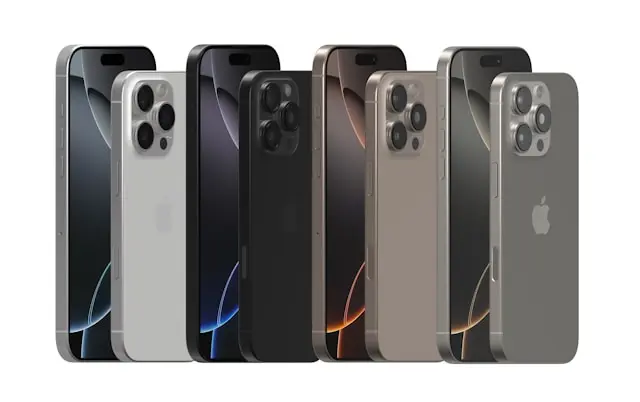
Latest Smartphone Reviews
Smartphones keep getting faster, smarter, and more expensive. Every year brings better cameras, brighter displays, stronger processors, and longer battery life. But with so many new releases, it’s easy to feel overwhelmed trying to decide which one is actually worth your money.
In this guide, we’ll break down the latest smartphone trends in simple terms. We’ll look at performance, cameras, battery life, design, and overall value—so whether you upgrade every year or hang onto your phone for five, you’ll know what really matters.
What’s New in the Latest Smartphones?
This year’s smartphones focus heavily on three things: AI features, camera upgrades, and performance efficiency.
Major brands like Apple, Samsung, and Google are pushing smarter software experiences powered by on-device AI. That means:
- Smarter photo editing tools
- Real-time voice transcription
- AI-assisted writing and summaries
- Improved battery optimization
Instead of just increasing raw power, companies are making phones more helpful in everyday tasks.
You’ll also notice:
- Brighter and more power-efficient displays
- Faster charging speeds
- Improved durability with stronger glass
- Longer software support commitments
In short, upgrades are becoming more practical than flashy.
Performance, Camera, and Battery Comparisons
Let’s talk about the features most people care about.
Performance: Do You Really Need the Fastest Chip?
Modern flagship phones are incredibly fast. Unless you’re gaming heavily or editing 4K video on your phone, you probably won’t notice a huge difference between this year’s and last year’s high-end processors.
For most users:
- Apps open instantly
- Multitasking feels smooth
- Streaming and social media are effortless
Mid-range phones have improved dramatically. Many now offer performance that feels “flagship-level” for everyday use at a lower price.
Tip: If you keep phones for several years, buying a slightly more powerful model can help future-proof your experience.
Camera Quality: The Biggest Selling Point
Camera systems are often the deciding factor for buyers.
Recent improvements include:
- Larger sensors for better low-light performance
- Improved zoom lenses
- Smarter AI image processing
- Better video stabilization
Instead of chasing megapixels, manufacturers are focusing on image quality and computational photography.
If photos are important to you, look at:
- Low-light performance
- Video stabilization
- Portrait mode quality
- Front-facing camera clarity
For casual users, most modern phones take excellent photos. For content creators or photography enthusiasts, premium models still have the edge.
Battery Life: Finally Improving
Battery life is one area that has quietly improved thanks to more efficient processors and software optimization.
Many new phones now:
- Last a full day easily
- Offer fast charging (often 50% in under 30 minutes)
- Include wireless charging
Battery size matters, but optimization matters more. A well-optimized phone can outperform a larger battery with poor efficiency.
Checklist:
- Does it support fast charging?
- Is the charger included?
- How many hours of screen-on time do reviews report?
Design, Display, and Software Experience
A phone’s design and display impact your daily experience more than you might think.
Display Quality
Most new smartphones offer:
- OLED displays
- High refresh rates (90Hz or 120Hz)
- Brighter screens for outdoor visibility
A higher refresh rate makes scrolling feel smoother. Once you use 120Hz, it’s hard to go back.
For most users:
- 1080p resolution is more than enough
- Brightness and color accuracy matter more than ultra-high resolution
Build Quality and Durability
Premium phones typically feature:
- Glass and aluminum builds
- Water and dust resistance
- Gorilla Glass protection
However, even mid-range devices now offer solid durability.
If you’re rough on phones, consider:
- A protective case
- Screen protector
- IP rating (water resistance)
Durability can save you more money than an upgraded spec sheet.
Software and Updates
Software is often overlooked—but it matters a lot.
Some brands now promise:
- 4–7 years of OS updates
- Regular security patches
- Cleaner, smoother user interfaces
Longer software support means your phone stays secure and useful longer.
Ask yourself:
- Do you prefer a clean Android experience?
- Do you like heavy customization?
- How long do you plan to keep the phone?
Software longevity can be more important than raw performance.
Which Smartphone Is Right for You?
There’s no single “best” smartphone—only the best one for your needs.
Let’s break it down by user type.
The Casual User
If you mostly:
- Browse social media
- Stream videos
- Take occasional photos
- Text and call
A strong mid-range phone is likely perfect. You’ll save money and still get excellent performance.
The Content Creator
If you:
- Post frequently to social media
- Record video
- Care about camera quality
Prioritize:
- Strong camera system
- Video stabilization
- Good front-facing camera
- Ample storage
The Power User
If you:
- Game heavily
- Multitask constantly
- Keep dozens of apps open
Look for:
- High-end processor
- 12GB+ RAM
- Large battery
- Fast charging
The Long-Term Buyer
If you plan to keep your phone for 4–5 years:
- Choose a model with long software support
- Get slightly higher storage
- Invest in durability
Spending a little more upfront can extend your device’s lifespan.
Final Thoughts
The latest smartphones are more refined than revolutionary. Improvements are now focused on smarter software, better battery efficiency, enhanced cameras, and longer support—rather than dramatic design changes.
The good news? Even mid-range smartphones today are incredibly capable. For many users, you don’t need the most expensive flagship device to get a great experience.
When choosing your next phone, focus on:
- Camera quality that fits your lifestyle
- Battery life that matches your daily use
- Software support for long-term value
- A price that makes sense for your budget
The “best” smartphone is the one that fits your needs—not just the one with the highest specs.
💬 Let’s Start a Conversation
Are you someone who upgrades every year, or do you keep your phone as long as possible? What matters most to you—camera quality, battery life, performance, or price?
Drop your thoughts and experiences in the comments. Your insight might help someone else decide on their next smartphone! 📱