

A Look Into the Indie Game Scene
Introduction
When most people think about video games, they often picture massive blockbuster releases created by large development studios with huge budgets. While these AAA games certainly dominate headlines, another part of the gaming world has been quietly growing and thriving for years: the indie game scene.
Indie games, short for independent games, are typically developed by small teams or even individual creators without the backing of major publishers. Despite often having smaller budgets, indie games have become known for their creativity, innovation, and willingness to take risks that larger studios might avoid.
Over the years, indie developers have created some of the most memorable gaming experiences available. From unique art styles and emotional storytelling to entirely new gameplay mechanics, indie games continue to shape the gaming industry in exciting ways.
Whether you’re a longtime gamer or someone looking to try something different from mainstream releases, understanding the indie game scene can open the door to countless hidden gems. In this article, we’ll explore what makes indie games unique, examine some notable success stories, discuss the challenges indie developers face, and take a look at the future of indie gaming.
What Defines an Indie Game?
The term “indie game” is used frequently, but many people aren’t entirely sure what it means.
At its core, an indie game is typically developed independently, often by a small team or a solo creator. Unlike major game studios that may have hundreds or thousands of employees, indie developers usually work with limited resources and budgets.
Small Teams, Big Ideas
One of the defining characteristics of indie games is the size of the development team. Some indie games are built by just a handful of people handling multiple responsibilities such as:
- Programming
- Art and animation
- Music and sound design
- Marketing
- Quality testing
Because of these smaller teams, indie developers often have more creative freedom when designing their games.
Focus on Innovation
Without pressure from large publishers, indie developers can experiment with unusual concepts and gameplay mechanics.
This has led to games featuring:
- Unique storytelling approaches
- Innovative gameplay systems
- Artistic visual styles
- Experimental genres
Many gaming trends that later become popular in mainstream titles often begin in the indie community.
Affordable Pricing
Another advantage of many indie games is affordability. While major releases can carry premium price tags, indie titles are often available at lower prices.
This makes it easier for players to try new experiences without making a large investment.
Strong Community Connections
Indie developers often interact directly with their communities through:
- Social media
- Discord servers
- Forums
- Early access programs
This direct communication allows developers to gather feedback and improve their games throughout development.
Notable Success Stories in the Indie Game Scene
The indie game industry has produced some remarkable success stories over the years. Many games that started as small independent projects have gone on to become global sensations.
Small Beginnings, Massive Impact
Several indie titles began as passion projects before achieving widespread popularity. These games demonstrated that creativity and strong gameplay can sometimes outweigh massive budgets.
Popular indie successes often share characteristics such as:
- Memorable gameplay loops
- Distinctive art styles
- Strong community support
- Continuous developer engagement
Innovation Drives Success
Many successful indie games became popular because they introduced something fresh to the market.
Examples of innovation include:
- New approaches to storytelling
- Creative sandbox gameplay
- Unique roguelike mechanics
- Genre combinations that hadn’t been explored before
Players often appreciate indie developers who are willing to take creative risks.
The Role of Streaming and Content Creators
Streaming platforms and video creators have played a major role in indie game success.
When streamers showcase indie titles:
- Visibility increases dramatically
- Communities grow quickly
- Sales often surge
- Word-of-mouth marketing expands
Many indie games gained popularity largely through community enthusiasm rather than expensive advertising campaigns.
Building Loyal Fan Bases
Indie developers frequently cultivate highly dedicated fan communities.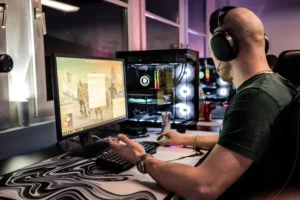
Players often support indie studios because they appreciate:
- Developer transparency
- Regular updates
- Community involvement
- Creative independence
These loyal communities can help sustain a game long after its initial release.
Challenges and Opportunities for Indie Developers
While the indie game scene offers tremendous opportunities, it also presents significant challenges.
Limited Budgets
One of the biggest hurdles indie developers face is funding.
Unlike large studios, independent teams may have limited resources for:
- Hiring staff
- Marketing campaigns
- Software licenses
- Quality assurance testing
Many developers balance game development with other jobs until their projects become financially viable.
Discoverability Problems
The gaming market is crowded with thousands of new releases each year.
Even excellent games can struggle to gain attention because:
- Storefronts are highly competitive
- Marketing budgets are limited
- Players have countless options
Creating a great game is only part of the challenge; getting people to notice it can be equally difficult.
Development Time and Burnout
Small teams often spend years developing a single project.
This can lead to challenges such as:
- Financial stress
- Long work hours
- Burnout
- Delayed releases
Managing workload and maintaining motivation are critical for long-term success.
New Opportunities Through Technology
Fortunately, modern technology has made game development more accessible than ever.
Today’s developers have access to:
- Powerful game engines
- Affordable development tools
- Online learning resources
- Digital distribution platforms
These resources allow independent creators to build professional-quality games without requiring massive budgets.
Crowdfunding and Community Support
Many indie developers now use crowdfunding platforms and community support programs to finance projects.
This approach helps:
- Validate interest in a game
- Build early communities
- Generate development funding
- Increase visibility
Community-driven funding has become an important part of the indie ecosystem.
The Future of Indie Games
The future of indie gaming looks incredibly promising.
As development tools become more accessible and distribution platforms continue evolving, independent creators have more opportunities than ever before.
Increased Creative Freedom
Players increasingly seek unique experiences rather than simply bigger games.
This trend benefits indie developers who excel at:
- Experimentation
- Niche genres
- Innovative mechanics
- Artistic expression
Many gamers actively search for indie titles because they offer experiences unavailable elsewhere.
Advances in Technology
Emerging technologies are creating new possibilities for independent developers.
These include:
- Artificial intelligence tools
- Improved game engines
- Virtual reality development
- Cloud-based collaboration
Such advancements can reduce development barriers and increase creative possibilities.
Growing Global Communities
The internet allows indie developers to reach audiences worldwide.
This global reach helps:
- Expand player bases
- Encourage collaboration
- Increase visibility
- Support niche gaming communities
Developers are no longer limited to local markets when sharing their creations.
Continued Industry Influence
Many innovations introduced by indie developers eventually influence the broader gaming industry.
Large studios frequently adopt ideas that first gained popularity in indie games, making independent creators important drivers of gaming innovation.
As the industry evolves, indie developers will likely continue shaping the future of gaming in meaningful ways.
Conclusion
The indie game scene has become one of the most exciting and creative parts of the gaming industry. By embracing innovation, experimentation, and direct community engagement, indie developers have created countless memorable experiences that stand alongside major AAA releases.
While independent creators face challenges such as limited budgets, discoverability issues, and lengthy development cycles, modern tools and digital distribution platforms have opened new opportunities for success. The result is a thriving ecosystem filled with unique games that continue pushing the boundaries of what gaming can be.
For players, exploring indie games can be a rewarding experience. These titles often provide fresh ideas, compelling stories, and creative gameplay that may not be found in larger productions.
As technology continues advancing and gaming communities continue growing, the future of indie games appears brighter than ever. Whether you’re a casual player or a dedicated gaming enthusiast, there’s never been a better time to explore what independent developers have to offer.
What are some of your favorite indie games? Have you discovered any hidden gems recently? Share your recommendations and experiences in the comments below—your suggestion might help another gamer find their next favorite game!